Visualise and understand the physics of black holes
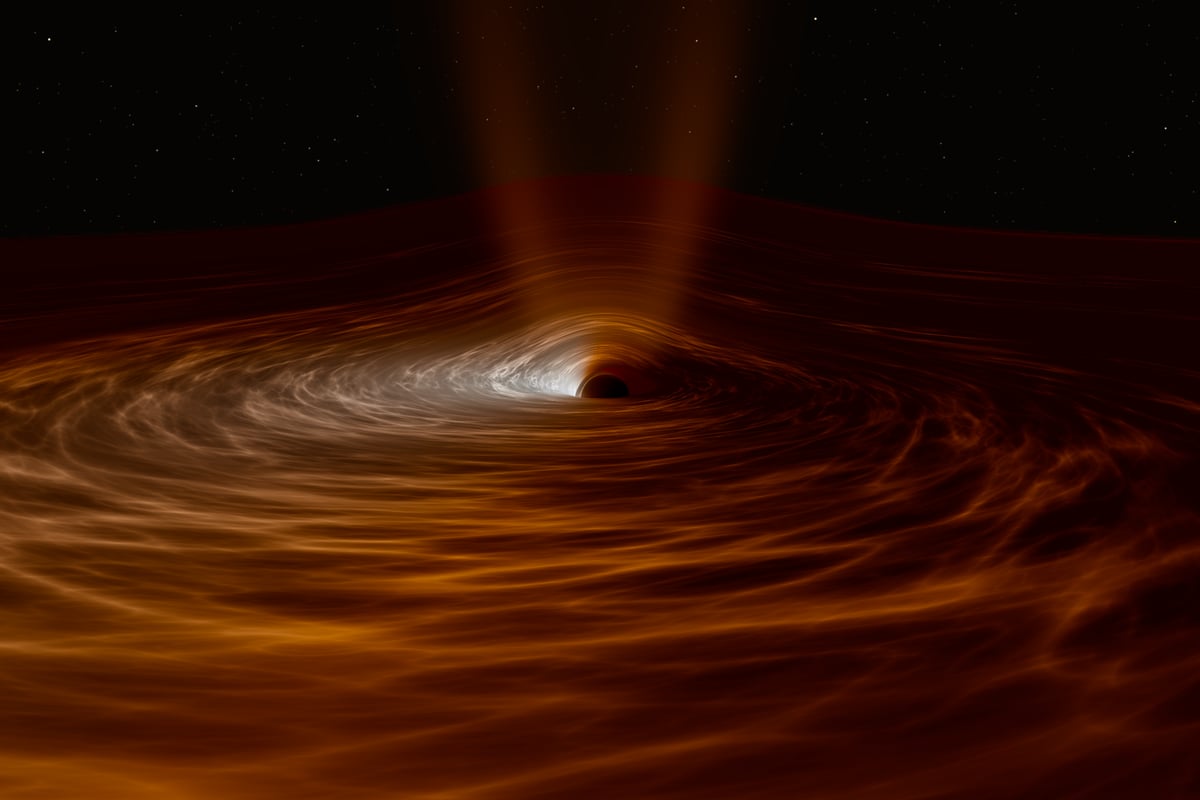
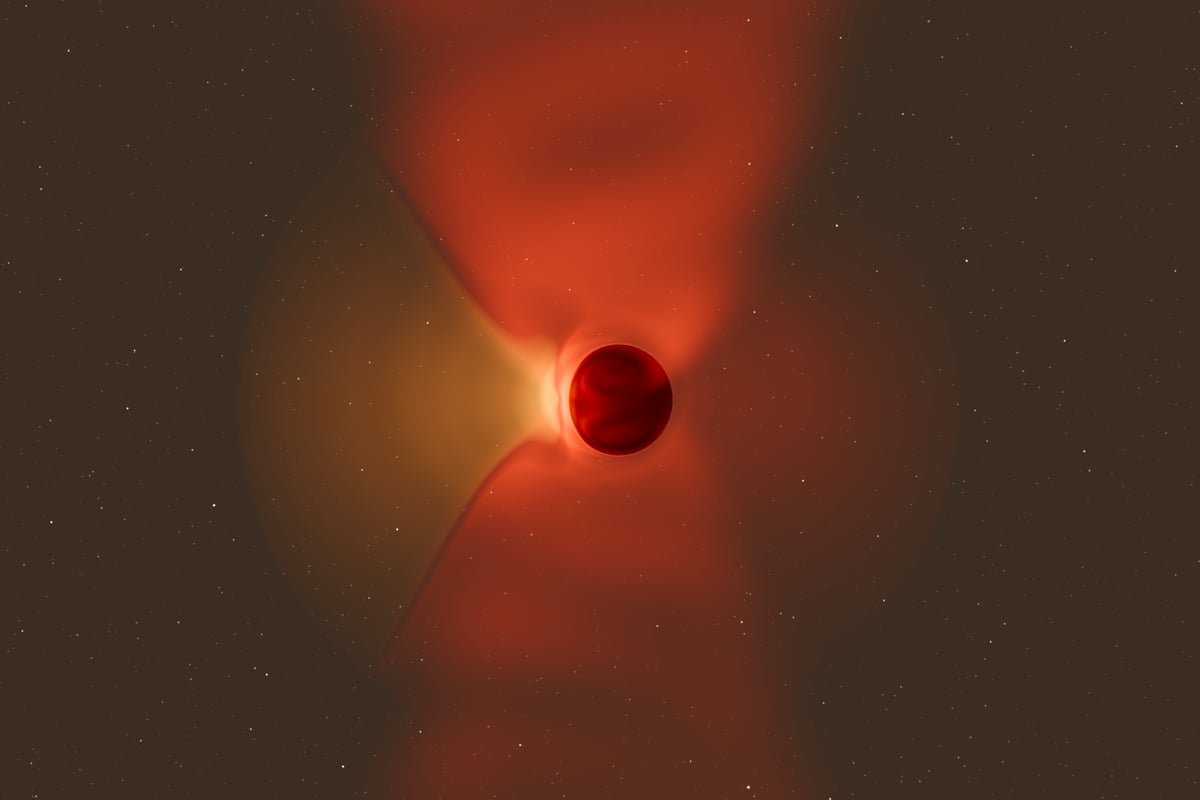
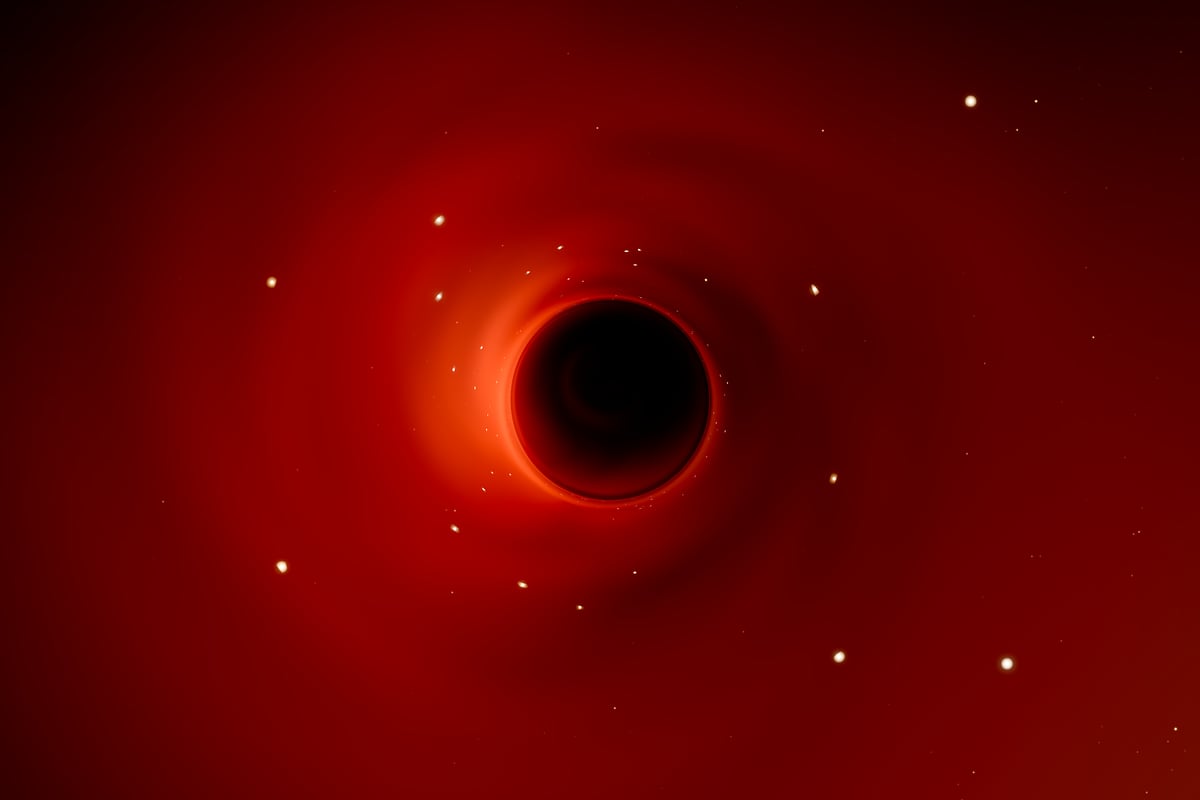
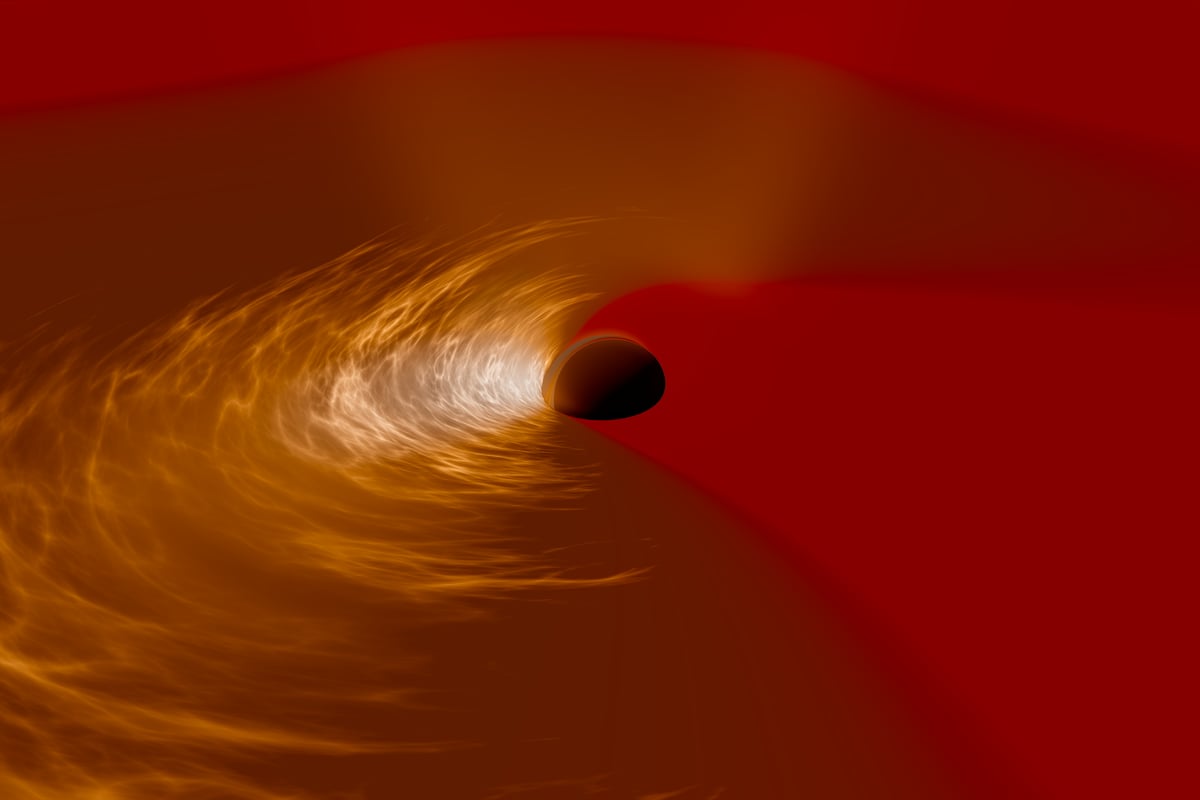
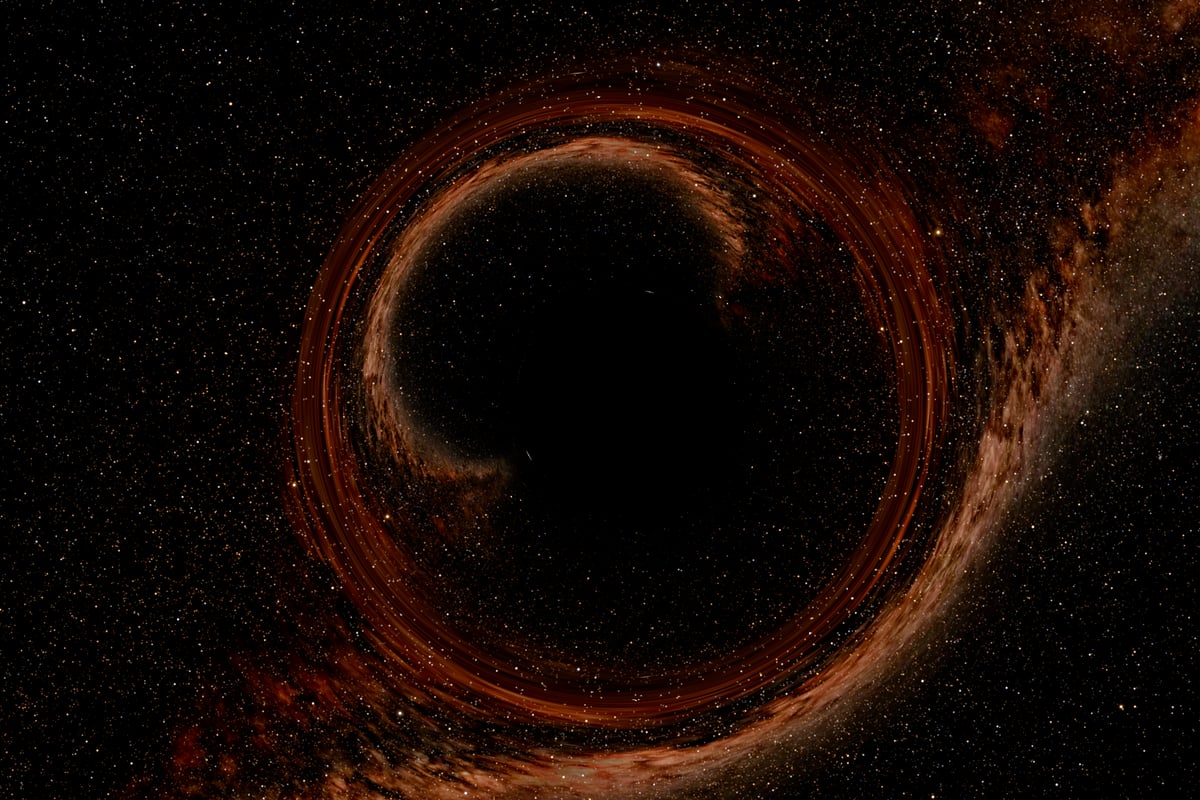
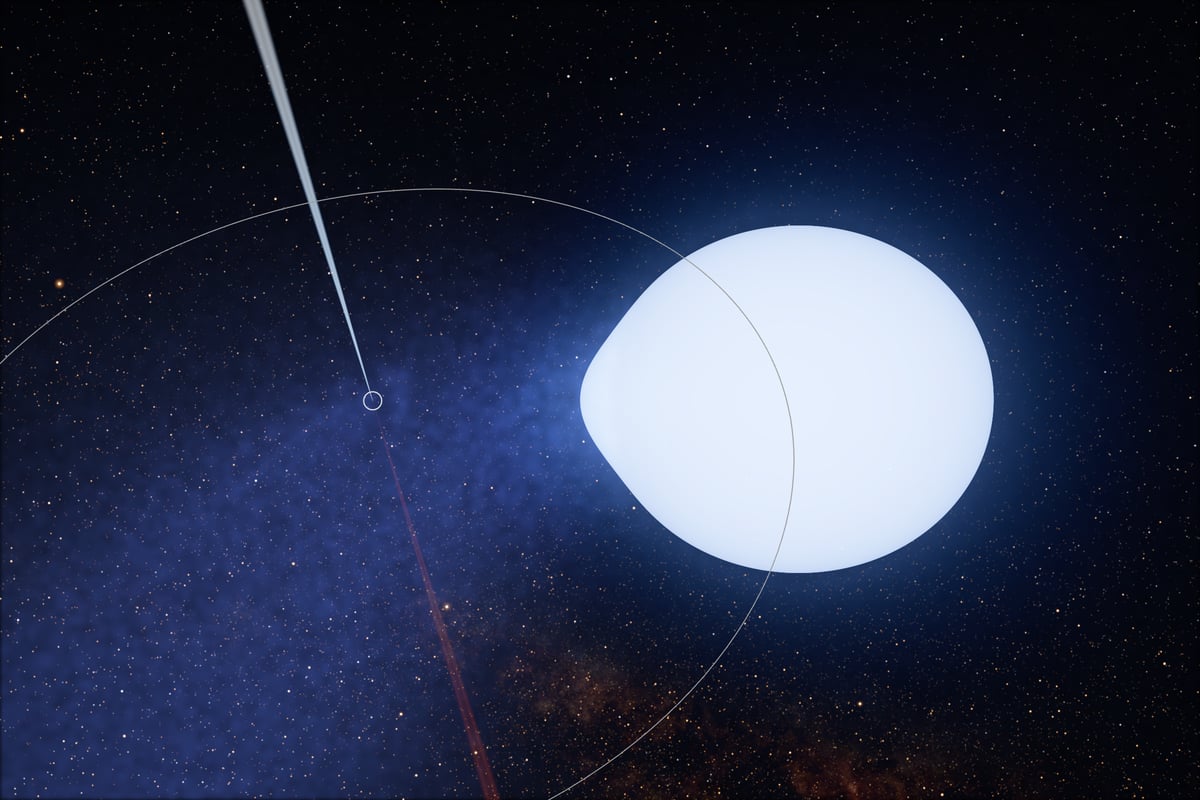
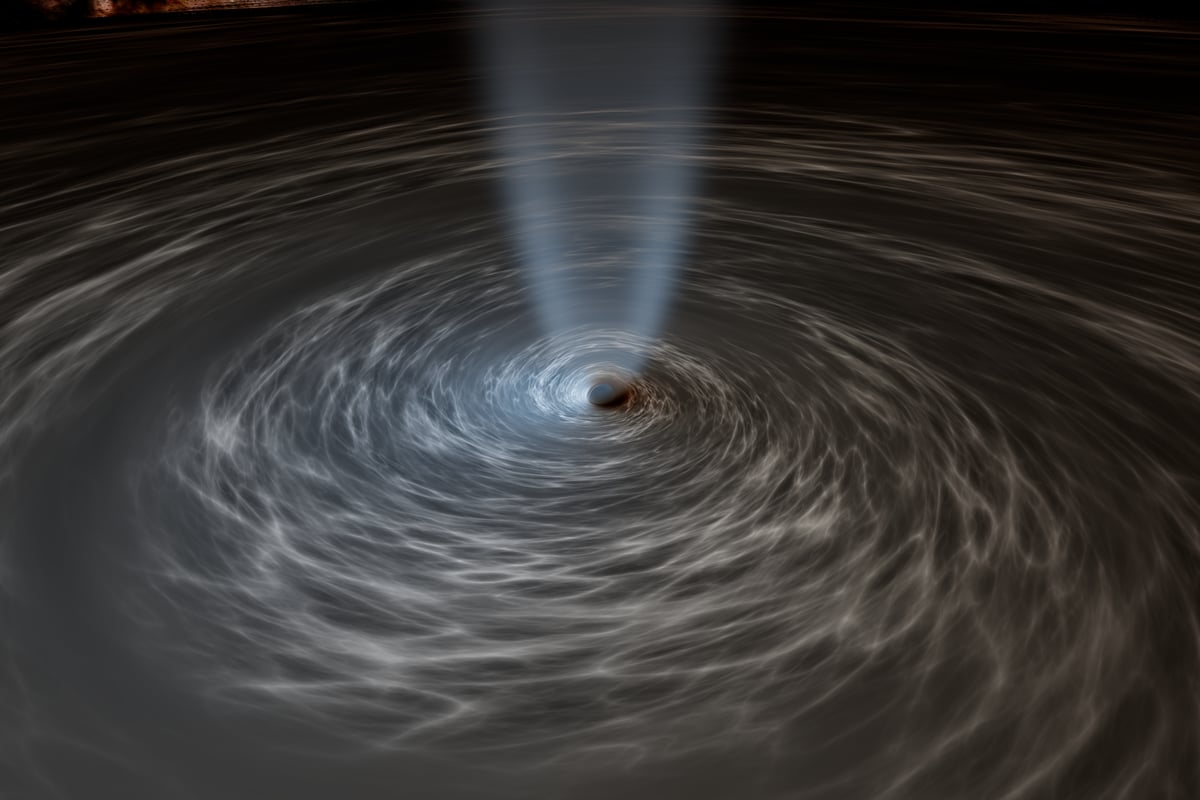
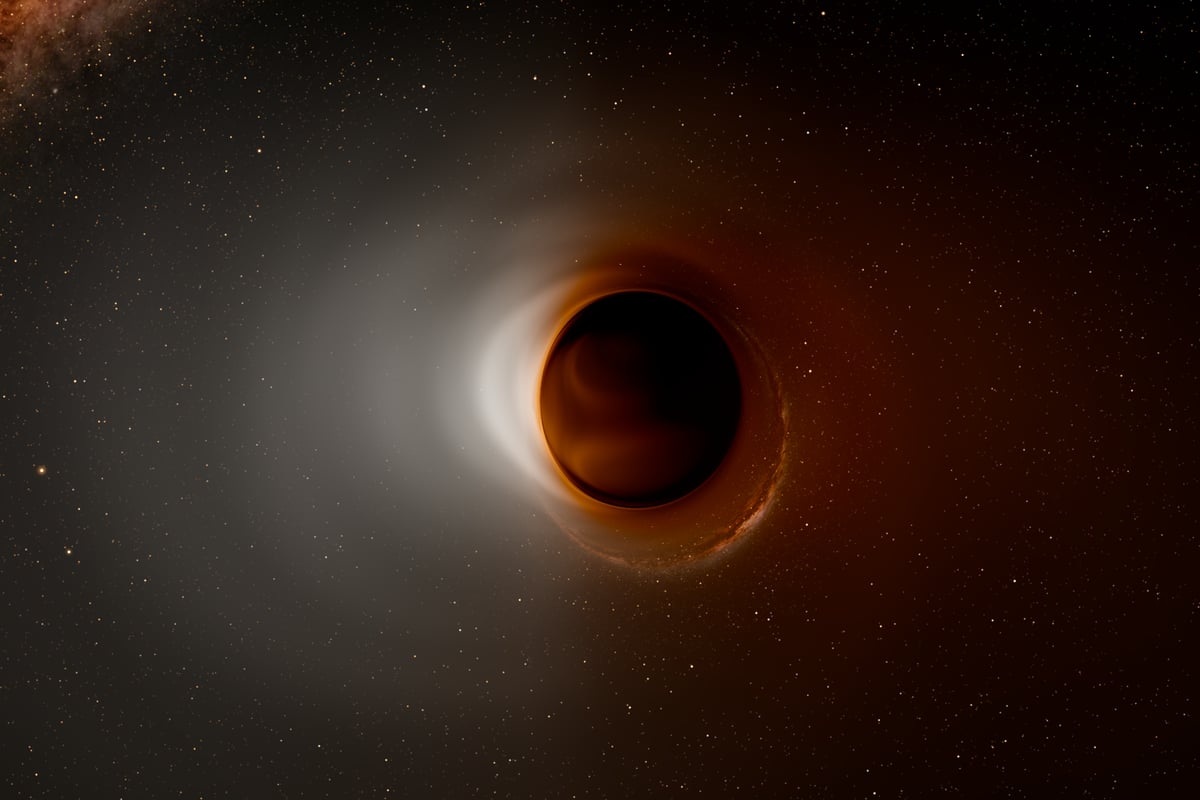
A realtime, interactive black hole simulator
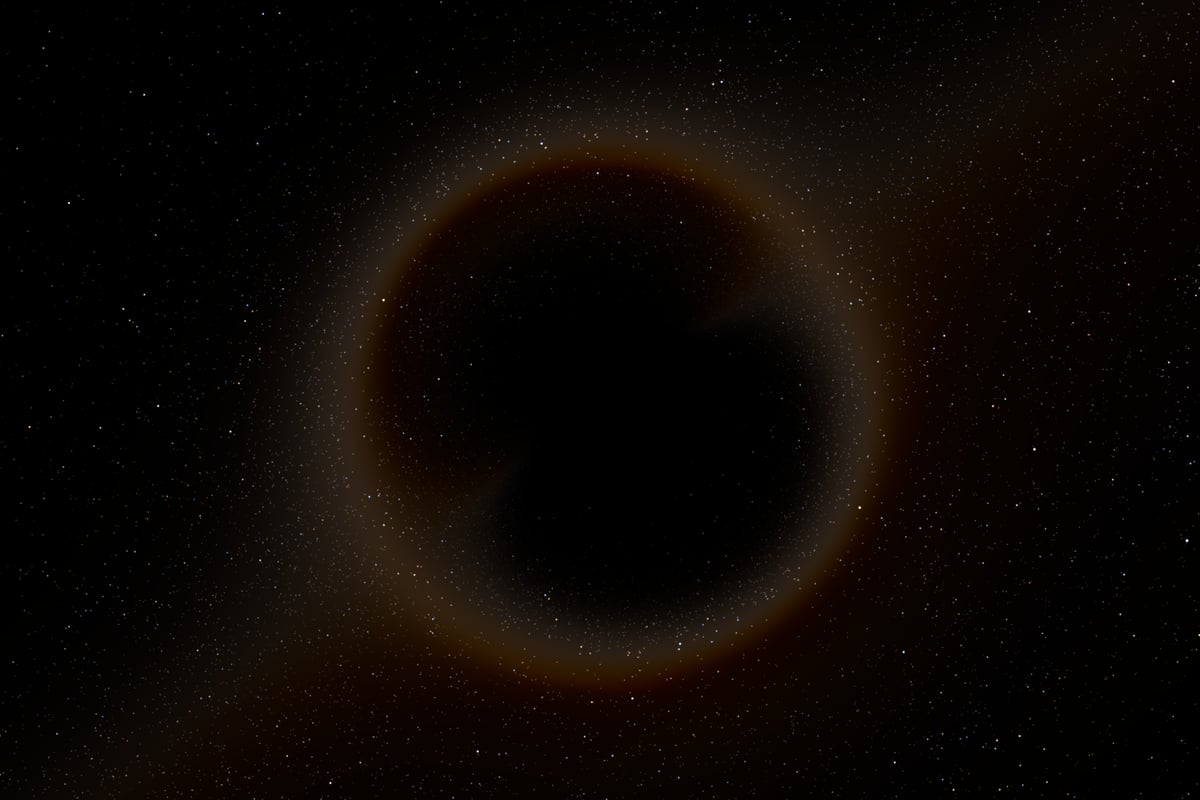
Work in progress - here's what our visualiser looks like.
We're building a way to see a black hole as it would really look, worked out from the physics, with each number traced, wherever we can, to the paper it came from. It's a work in progress, and we're letting people in a few at a time.
Interactive diagrams that explain the principles
The other half of the project is a set of pages that take one idea at a time, from the speed of light to the Penrose process (how energy can be taken from a spinning black hole), each built around a diagram you can work yourself.
What we're aiming for
Any black hole
From Sagittarius A*, the one at the centre of our Galaxy, to one of the heaviest known, and in time any black hole astronomers have measured.
The principles behind it
Each picture can be taken apart: the dark shadow, the ring of bent light, the disc of hot gas, the jets. Each part comes with a plain account of the physics that makes it.
Photorealism
We want each picture to look the way a black hole would look to a camera close by, with its light bent, shifted in colour and brightened as the physics says it would be.
Grounded in the science
Every aspect of the visualisation is based on a published paper and links to it. Where we've had to fill a gap by hand, or use artistic licence, we say so.
How the visualisation engine works
We're using modern WebGPU rendering approaches with a process called raymarching. WebGPU is the newest way for a web page to use your computer's graphics chip.
For every pixel, the computer follows a ray of light backwards from your eye, bending it the way gravity would as it passes the black hole. The dark shadow in the middle comes out of that, not painted on. So does the thin ring of light at its edge: light that gravity has bent right round the hole and back towards you. Where a part comes from a formula in a published paper instead, or is drawn by hand, the site says so.
The Research pages list the papers behind each part of the picture.
Who we are
We're Stef and Oren Lewandowski, a father and son. Stef is working on the rendering engine and Oren is working on diagrams and explanations of the principles.
The project is inspired by a book Oren read, Black Holes: The Key to Understanding the Universe by the physicists Brian Cox and Jeff Forshaw.
The credits say who and what we learned from.
Join the beta
The full site is open to a small group of testers while we finish it. Leave your email address and we'll write to you when there's a place.
Already have an invite code? Sign in